
No Desi Pride
As a Pride Parade virgin, this year’s attendance on my part was a revelation. I was surprised to see only a handful of South Asian faces dotted randomly throughout the multicultural crowd. They were shall we say, mute spectators?

As a Pride Parade virgin, this year’s attendance on my part was a revelation. I was surprised to see only a handful of South Asian faces dotted randomly throughout the multicultural crowd. They were shall we say, mute spectators?

When I saw myself in the mirror I would perceive my size two or three times more than it actually was. Having gone through this phase in life I am prepared that my daughter in some form or other may face body image distortion.

We don’t mind leaning on our third cousin’s family friend’s brother’s wife, but we will absolutely not walk into a support group and tell people our secrets. But the more time I spend there, the more it reminds me of my grandmother’s house in India.

How do I tell my family and them not feel like it’s their fault? Julie Notto talks to South Asian Parent about how eating disorders specifically affect South Asian women.

Zahra was 85 pounds (38 kilos) when she developed the eating disorder bulimia nervosa. She was 15 years old at the time. “You just convince yourself that if you become skinny and thin maybe people will like you.”

The parent’s responsibility is to teach their child to think critically about what they see and hear, whatever it is. To teach values of substance over image.

I can categorically tell you anorexia is a real illness, and it’s a much more complex problem than just refusing to eat. In fact, believe it or not, it has very little to do with food.

Nipa Bhuptani talks to us about the social and cultural implications of a disorder that is only now beginning to be recognized in the South Asian community.

We all like to mask ourselves, be it with a face-lift, a false smile, or a confidence layered on insecurity. Often when it comes to facing our children, we wear this mask most of all.
In recent years, the South Asian subcontinent has simultaneously seen notable achievements and drawbacks for lesbian, gay, bisexual and transgender (LGBT) communities. These opposing forces have developed at varying paces in South Asian ‘queer’ communities across the globe.
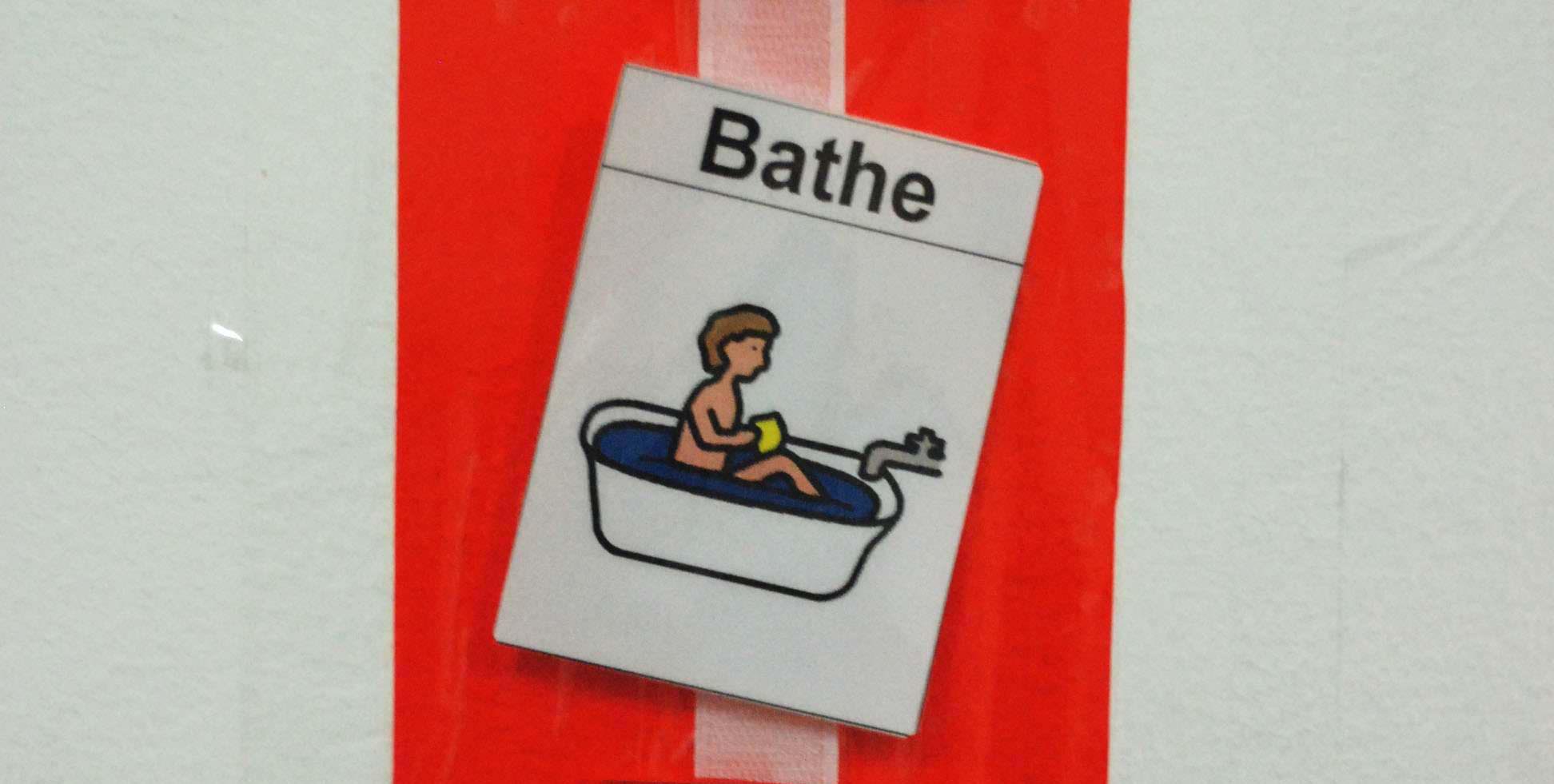
Answers to parents’ frequently asked questions about the nature of autism and its implications.

Sumreen Rais, mother of two autistic sons, shares with other parents the seven rules that help her overcome endless challenges.